A first visit to a vein consultation clinic is not just a quick look at your legs. It is a structured medical appointment that blends history, exam, imaging, and planning. Arriving prepared saves you time, cuts down on repeat visits, and helps the vein care team design a treatment plan that fits your life. I have seen patients walk in with a crisp folder and walk out with a clear path forward. I have also watched people show up empty‑handed, then spend weeks chasing records and insurance approvals. This guide is designed to put you firmly in the first group.
What a vein consultation actually involves
Most people come to a vein and vascular clinic because of visible varicose or spider veins, aching or heaviness, ankle swelling, restless legs, or skin changes that hint at chronic venous insufficiency. Expect the visit to include a focused discussion about your symptoms and goals, a physical exam of your legs, and, in many practices, a targeted duplex ultrasound performed by a registered vascular technologist. If you are seeing a vein specialist clinic inside a larger vascular care clinic, your evaluation may include arterial checks when symptoms warrant it.
Ultrasound is the cornerstone. It maps reflux, measures diameter, and pinpoints which veins cause the trouble. Decisions about conservative measures, such as compression therapy, or minimally invasive procedures, such as endovenous ablation or sclerotherapy, hinge on this map. In a modern vein clinic, the appointment moves quickly when key information is at hand. When it is not, the team must reschedule you for scanning, delay authorization, or guess at medication interactions. That is avoidable.
The short checklist to put in your bag
Use this compact list to pack the essentials the day before your visit.
- A valid photo ID and your insurance card(s), including secondary coverage or Medicare supplement details A complete medication list, including dosages, nonprescription supplements, and any blood thinners Prior imaging and records: previous leg ultrasounds, procedure reports, compression stocking prescriptions, wound care notes, and recent lab work Comfortable shorts or loose pants and knee‑high compression socks if you already use them A list of goals and questions, plus dates and photos of visible changes or wounds
Everything else in this article explains how to build this folder well and why each piece matters.
Identification and insurance details, the unglamorous gatekeepers
A vein treatment clinic is often an outpatient vein clinic with direct billing. Even a private vein clinic that offers cash packages will need ID. Bring a government‑issued photo ID and your insurance cards. If you hold multiple policies, bring them all. For Medicare, the red‑white‑blue card matters, and if you have a Medicare Advantage plan, the plan card supersedes. If you have a secondary policy, the coordination of benefits can reduce your out‑of‑pocket costs for procedures at a vein ablation clinic or vein laser clinic.
If you belong to an HMO, confirm whether the vein evaluation clinic is in network and if you need a referral from a primary care doctor. Each insurer uses its own language for medical necessity. Some require documented symptoms, CEAP classification, failed compression therapy for a defined period, or conservative trial notes. Having proof on day one can shave weeks off authorizations for the vein procedure clinic.
Practical tip: snap photos of the front and back of your cards before you go, then place the physical cards with your ID. Clinics sometimes need the bin, group, or claims address that hides on the back.
Your medication list is not a formality
People often underestimate the medication list. It is more than a chart detail. Vein intervention clinics deliver procedures that interact with anticoagulants, antiplatelets, and pain medications. If you take warfarin, apixaban, rivaroxaban, clopidogrel, aspirin at higher doses, or herbal supplements like ginkgo and garlic, the timing of vein ablation or sclerotherapy can change. Dosage matters. So does why you take the drug. A person on low‑dose aspirin for primary prevention is different from a patient with a recent stent.
Write the generic and brand name, the dose, and how often you take it. Include topicals and over‑the‑counter items: NSAIDs, magnesium, vitamin E, fish oil, and CBD. Bring your allergy list and any reactions to anesthetics, adhesives, or antiseptics. If you had trouble with tumescent anesthesia during past procedures at a vein surgery clinic, note it. The more specific you are, the safer and smoother your care at a professional vein clinic.
Prior imaging and procedure records set the stage
If you have seen another leg vein clinic or had treatment before, gather the reports. A venous reflux ultrasound from even two years ago helps the technologist plan the scan and alerts the physician to prior ablations, phlebectomies, or sclerotherapy. If you cannot obtain the actual images, bring the written report. If you had wound care for a venous ulcer, bring those notes. Compression stocking prescriptions show what you tried, what pressure class you used, and whether it helped. This documentation often satisfies insurer requirements for medical necessity in a vein disease center.
One patient, a marathon coach, arrived at our vein treatment center with a 3‑inch binder: dated photos of swelling before and after long runs, a packet of ultrasound reports from a vascular vein center upstate, and a log of compression stocking wear. We needed one visit to secure authorization and schedule ablation. Contrast that with a busy teacher who appeared with only a verbal description of “some scan last spring.” It took three extra phone calls, two fax requests, and a second appointment before anything moved.
If you are transferring care, contact the previous vein care center one to two weeks ahead. Ask for a CD of imaging and printed reports. Many clinics have portals where you can download PDF notes. Bring electronic copies on a USB drive only if the new clinic can accept them securely. Paper prints are still the most reliable currency at a vein diagnostics clinic.
Clothing and comfort signal your readiness
You will likely change into shorts for a venous ultrasound. Some vein care specialists clinics provide disposables, most do not. Wear or bring athletic shorts or loose pants that can roll to mid‑thigh. Skip lotions on the day of the visit, especially thick creams that interfere with ultrasound gel. If you wear compression socks, bring them, and wear them after the scan if your provider recommends it. A pair of easy on‑off shoes helps when moving between the exam room and the ultrasound suite.
Patients who anticipate same‑day procedures at a minimally invasive vein clinic should avoid tight jeans and bring someone who can drive if instructed. Many procedures use only local anesthesia and allow you to drive yourself, but policies vary by vein management clinic and by the medications planned.
Medical history that matters in veins
The vein doctor clinic will ask for your broader medical background. veincenter.doctor vein clinic Ardsley Focus on items that change venous risk. Prior deep vein thrombosis, superficial thrombophlebitis, pulmonary embolism, or a known clotting disorder push the plan in a different direction. Note family history of varicose veins, venous ulcers, or clotting problems. Cardiovascular conditions, especially heart failure, can mimic or amplify leg swelling. Kidney and liver disease influence edema too. Orthopedic surgeries with limited mobility, a long period on bed rest, or a recent pregnancy and postpartum phase also matter.
Include a surgical history if it involved your legs or pelvis. Hip replacements, pelvic surgeries, and previous vein procedures like stripping, ligation, or thermal ablation inform where reflux could recur. Even C‑sections and hysterectomies can play a role because of pelvic congestion or scarring. For patients who visit a venous insufficiency clinic with left‑sided swelling and groin varicosities, a record of prior pelvic procedures can steer the clinician toward imaging beyond the legs.
Symptom narratives, not just checkboxes
Checklists capture “ache, heaviness, swelling, itching.” They do not capture patterns or triggers. Write a short narrative of your typical day. Morning stiffness that resolves by noon points in one direction, while late‑day ankle tightness after sitting points in another. Describe worsening by heat, improvement with elevation, or how far you can walk before symptoms start. Include events like long flights or car rides that worsened your legs. If your job requires standing at a salon chair for eight hours, or you drive a delivery route for twelve, the vein specialists at a comprehensive vein clinic will tailor advice to that reality.
Photos help. Take clear images of visible varicose veins, ankle discoloration, or rashes. Time‑stamp them if possible and bring printed copies. Some conditions, like stasis dermatitis, wax and wane. A photo from a flare offers more than a calm day’s exam.
Compression stocking details
Insurers sometimes insist on a trial of compression before approving ablation at a vascular treatment clinic. If you already use compression, list the brand, compression level (for example, 20‑30 mmHg), style, and how many hours you wear them. If you tried and stopped, say why. Poor fit, rolling tops, heat intolerance, and difficulty donning are common. A vein wellness clinic can prescribe alternatives, suggest donning aids, or fit you for custom stockings when off‑the‑shelf sizes do not work.
Some patients start compression in a vein screening clinic and never get instructions beyond “wear them.” Bring your questions. Stockings function best when they match your anatomy, your daily routine, and your goals. A clinician at an experienced vein clinic can show you how to put them on without straining your back, when to take them off, and when a different class is warranted.
Goals are not fluff
A retiree who wants to garden without throbbing pain has different priorities than a police officer who needs to sprint without calf cramps. A marathoner prepping for a race window might prefer staged, quick‑recovery procedures at a non surgical vein clinic, while a caregiver with limited time off may prefer one comprehensive session if clinically appropriate. Be explicit about work schedules, travel plans, and athletic seasons. Clinics can sequence sclerotherapy and ablation to respect those constraints.
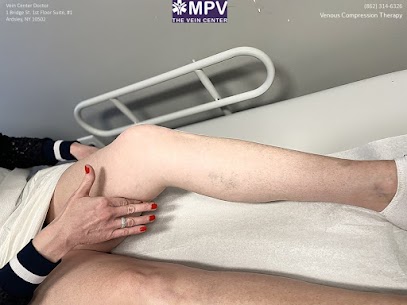
Cosmetic goals matter too. A spider vein clinic may offer sclerotherapy or laser for surface veins, but these look better and last longer when underlying reflux is treated first. If your primary aim is cosmetic, say so. Your vein treatment specialists can help you choose a path that balances appearance with durability.
Paperwork that streamlines authorizations
Insurance approvals are rarely fun, but they do not have to be slow. Clinics often need proof of conservative care, symptom duration, and functional impact. If you have purchased compression stockings, print a receipt or an order confirmation. If a primary care physician advised leg elevation, exercise, or weight management, bring that note. A vein condition clinic may also ask for height and weight, smoking status, and documentation of comorbidities that complicate venous disease. Pre‑filling online forms, if the clinic offers them, shortens your time in the lobby and accelerates the vein evaluation.
If your job requires medical clearance after procedures at a vein removal clinic, bring the employer form. Getting it signed during the visit can save you an extra trip.
What to expect during the ultrasound
Most venous reflux ultrasounds take 30 to 60 minutes per leg. You will stand for parts of the exam so gravity can reveal reflux that might hide when you are lying down. The technologist will compress the calf, watch valves, and measure vein diameters. A good scan feels like a slow, methodical process, not a quick sweep. If a vein therapy clinic plans an ablation, the physician will review the map with you and trace the path on your skin on procedure day.
Some clinics will not scan on the same day if you applied thick lotion or came in late enough that the ultrasound schedule is full. This is one reason I tell patients to arrive early, with clean, dry legs, and no barrier creams.
Payment logistics and what influences costs
At a vein medical clinic, the evaluation typically includes an exam and, when performed, a duplex ultrasound billed under vascular codes. Your cost depends on your plan’s deductible and whether the clinic sits in your network. Procedures like radiofrequency ablation, endovenous laser therapy, or foam sclerotherapy, when done for symptomatic venous insufficiency, are often covered. Cosmetic spider vein treatments are typically not. A trusted vein clinic will spell out expected costs, and a vein care office coordinator can verify benefits for you in advance.
Ask how the clinic codes a visit when you are seen at a combined vein and vascular clinic. If arterial testing is needed due to atypical symptoms, there may be additional studies. Some clinics offer cash rates for patients without insurance or for purely cosmetic care. A modern vein clinic should provide these figures without arm‑twisting.
Travel, timing, and the simple things people forget
Plan your travel with a buffer for traffic and parking. Many vascular vein centers are attached to hospital campuses with complicated lots. Confirm the clinic address, suite number, and whether your appointment is at the main vein treatment office or a satellite. Bring reading glasses if you need them. If English is not your first language and you prefer another, ask in advance about interpreter services at the vein health center.
Hydrate, but do not arrive so full that standing through an ultrasound feels urgent. Eat a normal meal. Long fasting is unnecessary and can make you lightheaded during the scan. Leave fragrances at home; staff and patients with sensitivities will thank you.

Special scenarios and the extras to bring
- Pregnancy and postpartum: Many pregnant or recently postpartum patients develop leg swelling and new varicose veins. Most vein specialists will defer elective procedures until after delivery, but a venous disease clinic can guide compression use and activity safely. Bring your obstetrician’s contact information and any relevant notes. If you have a history of clots, arrive with anticoagulation details. Wound care: If you have an active ulcer or skin breakdown, bring dressing supplies for the trip home in case the clinic needs to remove and replace dressings for the exam. A venous care clinic may coordinate with a wound center, but your own supplies avoid gaps. Mobility challenges: If standing for an ultrasound will be hard, tell the clinic ahead of time. A vein restoration clinic can often accommodate with modified positioning, but planning helps. Prior reactions: If adhesive tape blisters your skin or chlorhexidine causes dermatitis, the team can choose alternatives. Write these down.
A few words on choosing the right clinic
You likely found your vein specialists near me search churning out dozens of options: an advanced vein clinic with multiple locations, a boutique private vein clinic with a single physician, a comprehensive vein clinic inside a hospital, or a vein wellness clinic that focuses on lifestyle and prevention. Credentials matter. Look for board certification in vascular surgery, interventional radiology, or a related field, and ask how many procedures the team performs monthly. A certified vein clinic should welcome questions about complication rates, ultrasound accreditation, and follow‑up protocols.
Not every patient needs a vein surgery clinic. Most symptomatic venous disease responds well to minimally invasive care at an outpatient vein clinic. If your case is complex, with recurrent clots or mixed arterial and venous disease, a vein and vascular clinic that can coordinate across specialties is ideal. What you bring to the visit remains the same, but the depth of evaluation grows.
After the consultation, what leaves with you
You should walk out with a clear impression of your diagnosis, a plan for conservative care or procedures, and an understanding of timelines. If the clinic recommends radiofrequency ablation at a vein ablation clinic, expect a discussion about recovery, compression use after the procedure, and activity limitations, usually brief. If sclerotherapy at a vein laser clinic or vein therapy clinic is on the table, ask how many sessions you may need and the intervals between them. If conservative care is the first step, you should have a prescription for properly fitted stockings and guidance on follow‑up.
Keep a folder with copies of your ultrasound report and patient instructions. Take a photo of the drawn vein map if your physician sketches it. If the team creates a portal account for you, log in that evening and make sure you can see your documents. Minor friction now can prevent major frustration when it is time to schedule your first session at the vein procedure clinic.
The second list: a ready‑to‑use packing guide
Use this as your final sweep the night before your appointment.
- Photo ID, insurance cards, referral if required, and a payment method Medication and allergy lists with precise doses, plus any anticoagulation plans Prior records: ultrasounds, procedure notes, wound care summaries, and compression prescriptions Practical items: shorts, compression socks, reading glasses, and printed photos of your legs Your written goals, symptom timeline, and a short work and activity schedule
Tape this on your door. Check each line before you leave. This small ritual delivers outsized returns at a vein consultation clinic.
What preparation cannot replace
Preparation speeds care, but clinical judgment still guides it. Some patients arrive with pristine folders and still need additional imaging when symptoms suggest pelvic reflux or when ultrasound findings do not match the story. Others bring little, and a skilled team at a vein health clinic can still build the map from scratch. The point is not to control every variable. It is to give your vein care specialists the material they need to do their best work quickly and safely.
I have watched preparation shorten treatment timelines by a month or more. Authorizations that drag for weeks without documentation often clear in days when the record is complete. Patients scheduled for staged procedures at a vein treatment center return to work faster when advance planning aligns procedures with their calendars. The system is not perfect, but your preparation shifts it in your favor.
Final thoughts before you go
If you are debating whether your symptoms justify a visit, consider this: aching, heaviness, swelling, itching, cramps, restless legs at night, and skin changes are not inevitable signs of aging. They are signs of venous disease that a vein specialist center can evaluate and manage. The treatments at a non surgical vein clinic are usually outpatient, often done in under an hour, and rely on local anesthesia. Most people return to normal activity quickly, sometimes the same day.
Your job is to show up informed and ready. Bring the items in this checklist. Wear clothing that simplifies the exam. Tell your story plainly. Ask the questions that matter to your life. The team at a top vein clinic, whether a community vein management clinic or a larger vascular vein center, will meet you there and do the rest.
